Running a solo podcast means wearing every hat: host, researcher, editor, marketer, and technician. The good news is that the right tools can handle much of the heavy lifting, letting you focus on creating great content. Whether you're just starting out or managing an established show on your own, understanding which tools you actually need—and when it's time to delegate—will save you time, money, and frustration.
This guide covers the essential tools every solo podcaster needs, how to build an efficient workflow, and clear signals that it's time to bring in help.
Recording Equipment: The Foundation
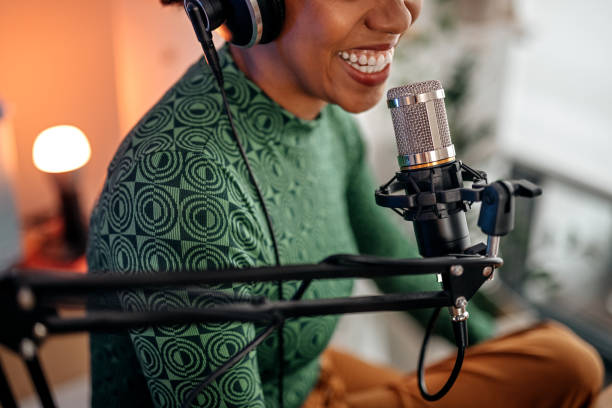
Your microphone is the most important investment you'll make. Audio quality makes or breaks a podcast, so start with a solid USB microphone like the Audio-Technica AT2100USB or Blue Yeti, both under $150. These plug-and-play mics deliver professional sound without requiring additional interfaces or complicated setups.
Pair your microphone with closed-back headphones—like the Sony MDR7506 —so you can monitor audio quality in real time and catch issues during recording, not after. A pop filter reduces harsh plosive sounds, and a basic boom arm keeps your mic positioned consistently.
For those ready to level up, the RØDE Solo Podcast Kit bundles a broadcast-quality PodMic, studio headphones, boom arm, and the RØDECaster Duo production console—everything needed for studio-grade audio in one package.
Recording and Editing Software
You need software to capture your voice and polish your episodes before publishing. Audacity is free and beginner-friendly, offering basic audio cleanup and editing. Mac users often turn to GarageBand, which comes pre-installed and handles recording and editing seamlessly.
As your skills grow, consider upgrading to Adobe Audition or Hindenburg Journalist for advanced features like spectral editing and multitrack mixing. Alitu automates much of the editing process with drag-and-drop simplicity, making it ideal for creators without audio engineering experience.
Real-Time Research Tools
Solo podcasters often struggle with live research, fact-checking, and staying on-topic without a co-host or producer. Podmod AI listens to your recording in real time, automatically detecting topics and delivering relevant research, stats, images, and fact-checked information as you speak. Instead of pausing to Google facts or losing your train of thought, Podmod surfaces contextual content cards instantly, helping you maintain flow and create cleaner takes from the start.
This is especially valuable when recording interviews, news commentary, or any content requiring accurate references on the fly.
Hosting and Distribution Platforms
Once your episode is polished, you need a podcast host to store your audio files and distribute them to Apple Podcasts, Spotify, and other directories. Buzzsprout, Transistor, and Libsyn are popular choices that offer reliable hosting, analytics, and easy RSS feed management.
Most hosting platforms also include basic promotional tools like episode embeds, social media graphics, and listener stats—essential for understanding your audience and growing your show.
Workflow and Organization Tools
Managing a solo podcast means juggling content calendars, show notes, guest coordination, and publishing schedules. Notion and Trello help organize episode ideas, research links, and production timelines in one place. Use these tools to batch-plan episodes, track progress, and keep your workflow predictable.
For transcription and show notes, Podmod AI automatically generates full transcripts and captures all research and references during recording, turning hours of manual work into a one-click download. This means your show notes are nearly done before you finish editing.
When to Bring in Help
Running a podcast solo is rewarding, but there comes a point where doing everything yourself limits growth and quality. Here are clear signals it's time to delegate or hire help:
- You're struggling with consistency: Missing episodes or delaying releases because editing, social media, and guest booking are overwhelming
- Audio quality is slipping: You lack the time or skill to produce professional-sounding episodes consistently
- Growth has stalled: You've hit a plateau in downloads and engagement despite creating solid content
- You're burning out: Podcasting feels more like a chore than a creative outlet because you're managing too many tasks
What to Outsource First
Start by outsourcing the most time-consuming or technically demanding tasks. Audio editing is often the first to go—hiring a freelance editor on Fiverr or Upwork can free up hours each week. Next, consider delegating show notes, social media graphics, and episode promotion to a virtual assistant or podcast agency.
If you're launching a new show and want to make an immediate impact, working with a podcast agency from day one can set you up with professional production quality and marketing strategies that accelerate growth.
Building a Hybrid Workflow
You don't have to choose between doing everything yourself and hiring a full team. Many successful solo podcasters use a hybrid approach: they handle hosting and content creation while outsourcing editing, design, and distribution.
Tools like Podmod AI act as a virtual production assistant during recording, providing real-time research and fact-checking that would normally require a dedicated team member. This middle ground lets you maintain creative control while offloading repetitive or technical work.
Conclusion
Solo podcasting is entirely achievable with the right tools and workflow. Start with quality recording equipment, choose beginner-friendly editing software, and use real-time assistants like Podmod AI to handle research and organization. When consistency suffers, growth stalls, or burnout sets in, it's time to bring in help—starting with editing and promotion.
The key is building a sustainable system that lets you focus on what you do best: creating great content and connecting with your audience.
Next Steps
Ready to streamline your solo podcast workflow? Try Podmod AI to handle real-time research, fact-checking, and transcription automatically—so you can focus on hosting, not hunting for information. Start your free trial at app.podmod.ai/signup and see how much easier solo podcasting can be.